Studio 54 and the Velvet Rope Ballet
When Studio 54 opened its doors in the spring of 1977, it wasn’t so much a nightclub as it was an explosion — part circus, part catwalk, part hallucination. The city had never seen anything like it. And neither had we.
My husband Bill and I were there from the start — part of that first glittering wave of regulars who didn’t wait in line, who knew the right people, who knew exactly how to arrive. Not just fashionably late, but visibly right.
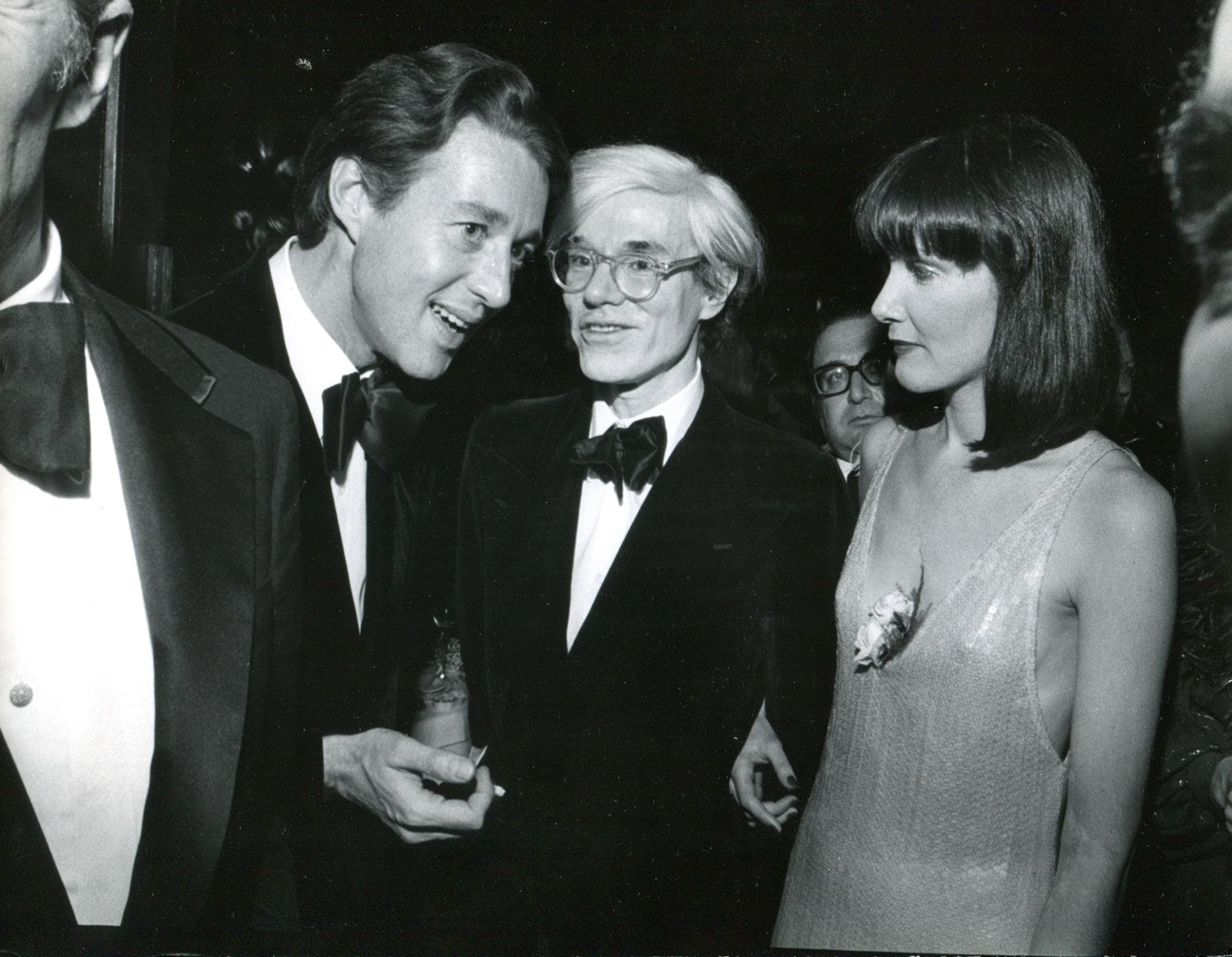
The building itself had history — a former opera house reborn in sequins and sweat — and the energy inside was impossible to explain to anyone who wasn’t there. It wasn’t about dancing, not really. It was about being. About entering that darkened, glitter-drenched temple and becoming whoever you wanted to be for the night.
Studio was pure spectacle. One night there were trapeze artists swinging above our heads. Another, fog machines and mirrors turned the dance floor into a dream sequence. And then there was that now-legendary moment when Bianca Jagger rode in on a white horse — the flashbulbs catching her smile like a lightning strike.
That wasn’t PR. That was just a Tuesday.
Halston was, of course, at the very center of it all. The celebrity designer before that was even a phrase. Studio 54 became an extension of his world — decadent, minimal, unpredictable — and because we were part of his inner circle, we were always waved right in. No questions asked.
We never had to speak. Marc Benecke, the head doorman, would spot us through the crowd, nod discreetly, and the velvet rope would lift. The crowd parted like the Red Sea, their eyes following us as we floated past — styled, polished, and maybe just a little smug. I won’t lie. That feeling? It was delicious.

Once inside, we entered a kind of glamorous vortex. Music pulsed through the walls. Lights spun like galaxies. The air smelled like sweat, smoke, and Chanel No. 5. Drinks arrived without being ordered. We never saw a check. Not once. That was Rubell’s touch — Steve Rubell, the ringmaster of this surreal circus, the man who controlled the door, the crowd, the mood, the moment.
Steve didn’t just manage Studio 54 — he curated it.
Every night was a social experiment. A performance. He’d stand out front, cigarette in hand, surveying the crowd like a casting director. It wasn’t about beauty or fame, not really — it was about energy. Who would spark something inside? Who would combust?

He’d pluck people from the line like rare flowers. A fashion student in a see-through dress. A mechanic with great cheekbones. A drag queen dressed as Marie Antoinette. It didn’t matter where you came from — only who you could become once you were inside.
It created a strange kind of democracy. Ruthless, yes — but intoxicating. If you were chosen, you felt special. If you weren’t, you stood outside in the cold, wondering what alchemy you lacked.
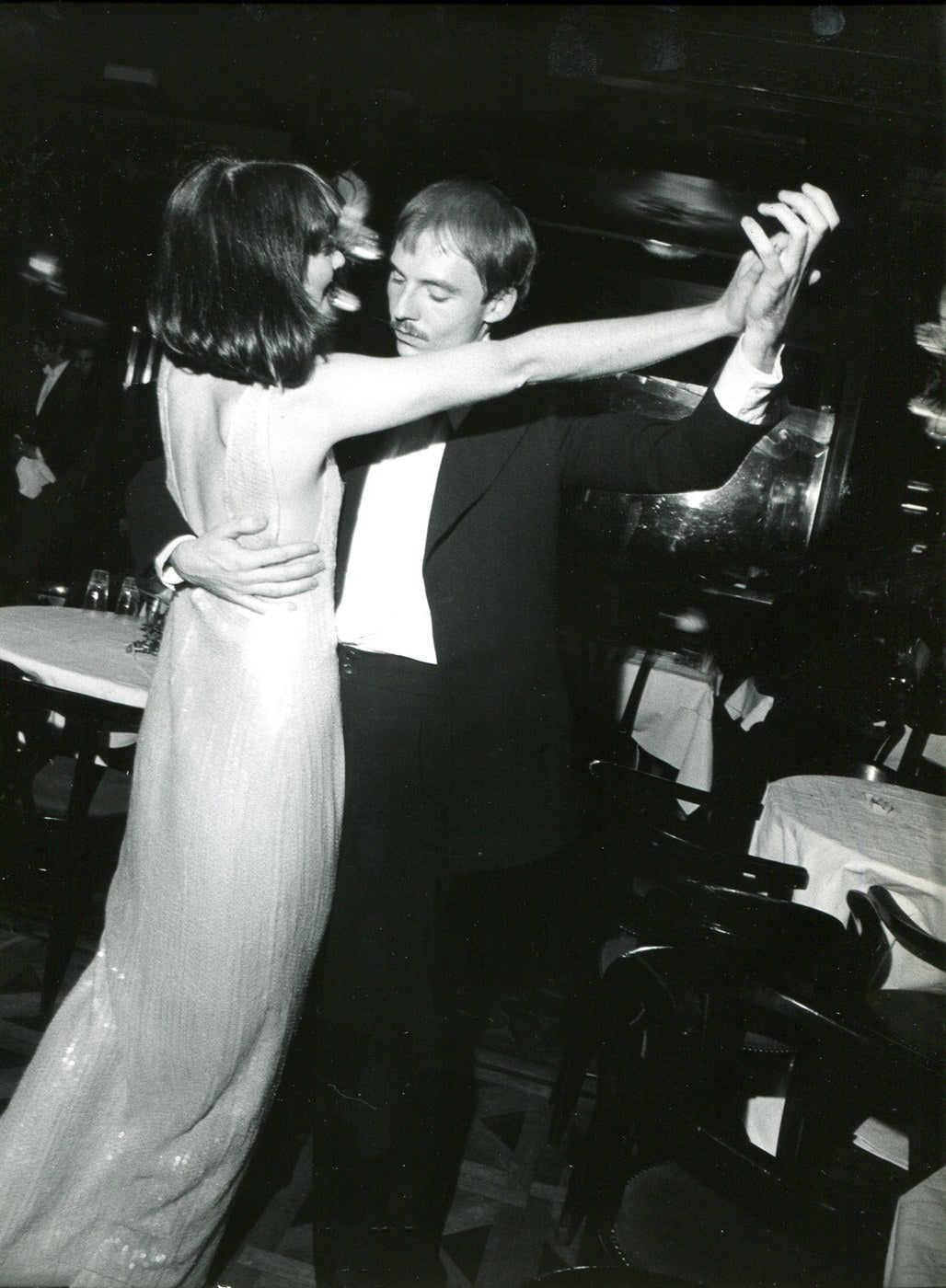
And yet, somehow, once you crossed that threshold, none of it mattered. Studio dissolved identity. Celebrities and nobodies melted into one organism, pulsing to the same beat. There were no VIP rooms — everyone was important, or no one was. You danced next to Mick Jagger, bumped shoulders with Cher, traded lipstick with Jerry Hall in the mirror. No one cared.
It was chaotic, euphoric, exhausting.
And for a time, it was ours.
I don’t remember everything from those nights — no one really does. But I remember the feeling: of belonging, of being seen, of stepping into a moment so vivid it felt like it would never end.
Of course, it did. Moments like that always do.
But what a moment it was.