The Battle of Versailles: When Fashion Got a Jolt of American Energy
They called it the Battle of Versailles — but it was less war, more runway revolution.

Five American designers. Five French legends. One grand palace. The goal? Raise money to restore the crumbling Versailles library. The method? A fashion show. The result? A seismic shift in fashion history.
It was Eleanor Lambert’s idea — coordinated with Versailles curator Gérald Van der Kemp — and hosted by Marie-Hélène de Rothschild, who reigned over Parisian society like a queen with better shoes. She made sure everyone came: Grace Kelly, Wallis Simpson, heads of state, the Rothschilds. The type of crowd that doesn’t clap unless it counts.
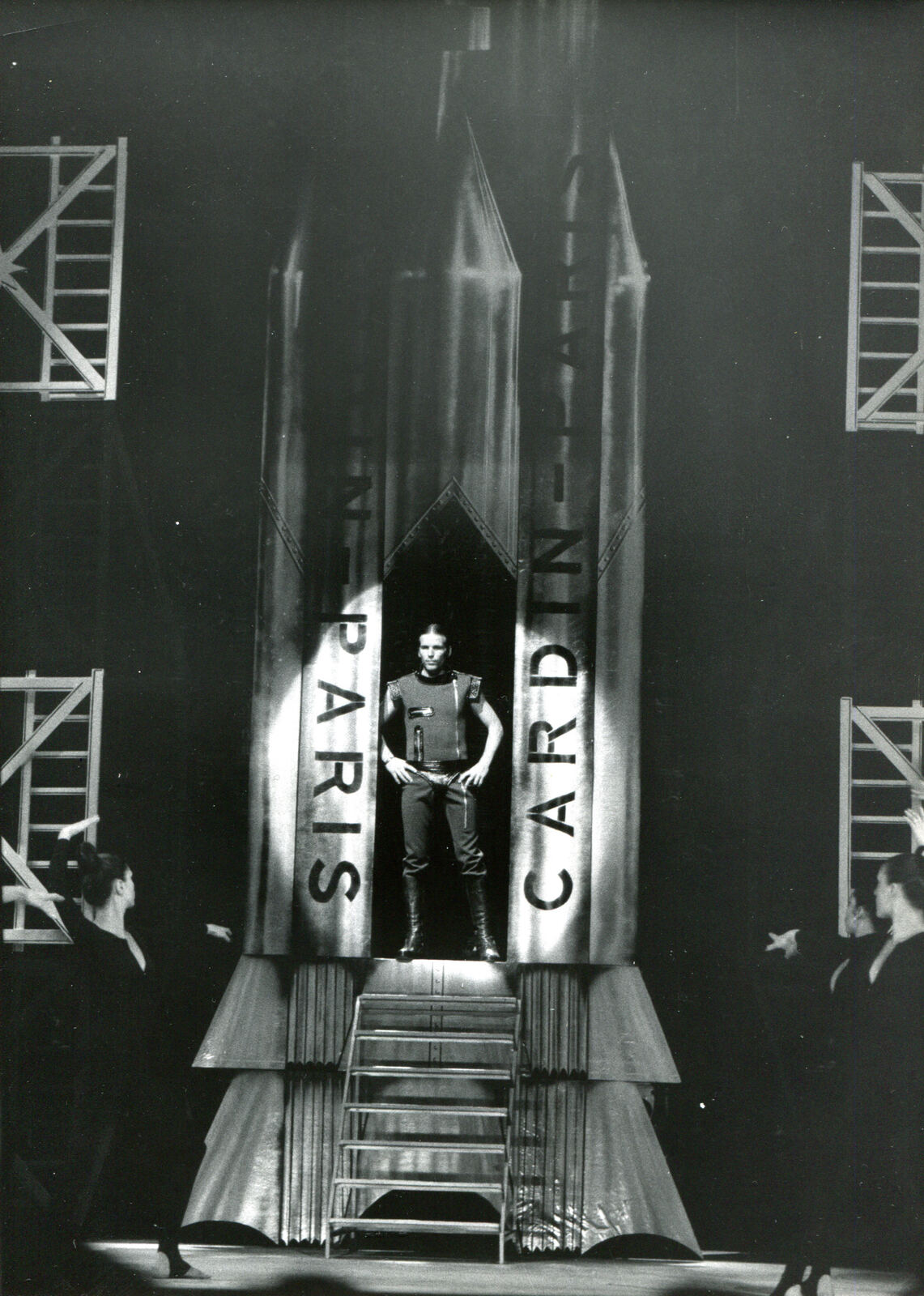
The French brought their heavyweights: Yves Saint Laurent, Dior’s Marc Bohan, Givenchy, Cardin, Ungaro. Chic, refined, stately. Their show was elegant... and slow. Ballet dancers like Nureyev and Merle Park. Josephine Baker. Impeccable, yes — but formal. You watched, respectfully.
Then came the Americans.
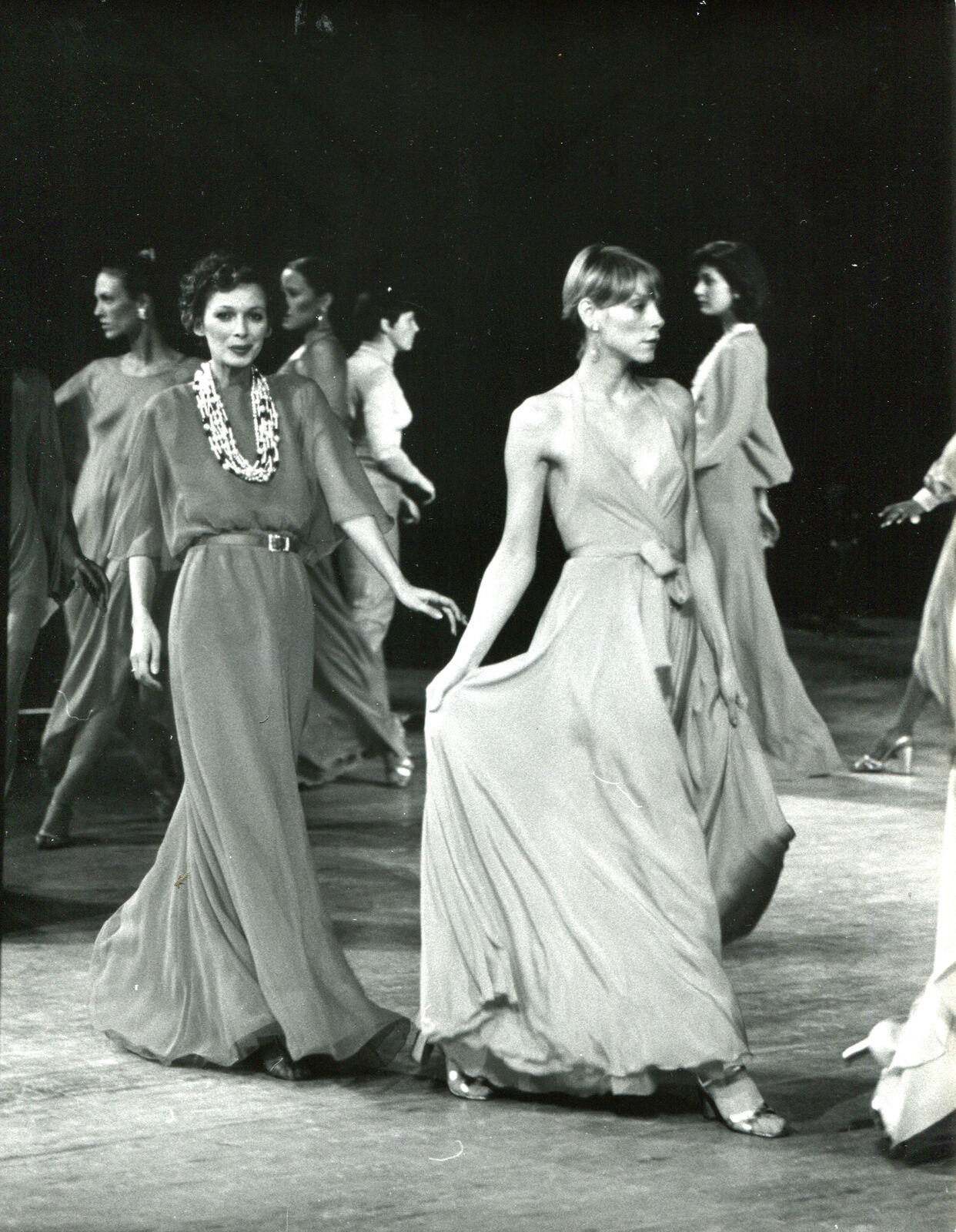
Halston. Bill Blass. Oscar de la Renta. Anne Klein. Stephen Burrows. And us — the Halstonettes — bussed in from a modest hotel outside Paris, ready to blow the roof off Versailles in heels and attitude.
The Americans brought something the French weren’t prepared for: joy in motion. Halston, especially, had no interest in bowing to old-world fashion rules. He was all about ease — clean lines, fluid shapes, the freedom of movement. His girls didn’t walk — they glided confidently and effortlessly. They danced. We brought an ease that felt radical in a palace built for kings.
We opened with Liza Minnelli belting out “Bonjour Paris,” choreographed to perfection by Kay Thompson — bold, theatrical, American to the core. Anne Klein led with sharp, modern takes on African influences. Bill Blass followed with polished prep: Hampton races in high style. Stephen Burrows lit up the stage with color, rhythm, and that irresistible bounce he was known for.
But Halston... Halston was the moment. His segment was stripped of fuss, yet full of drama. No tricks. No gimmicks. Just precision-cut silhouettes that moved like liquid and made silence feel louder than applause. His girls didn’t model — they embodied. Every step down that runway was a lesson in restraint, sex appeal, and confidence. In a palace gilded with history, Halston made minimalism feel like a revolution.
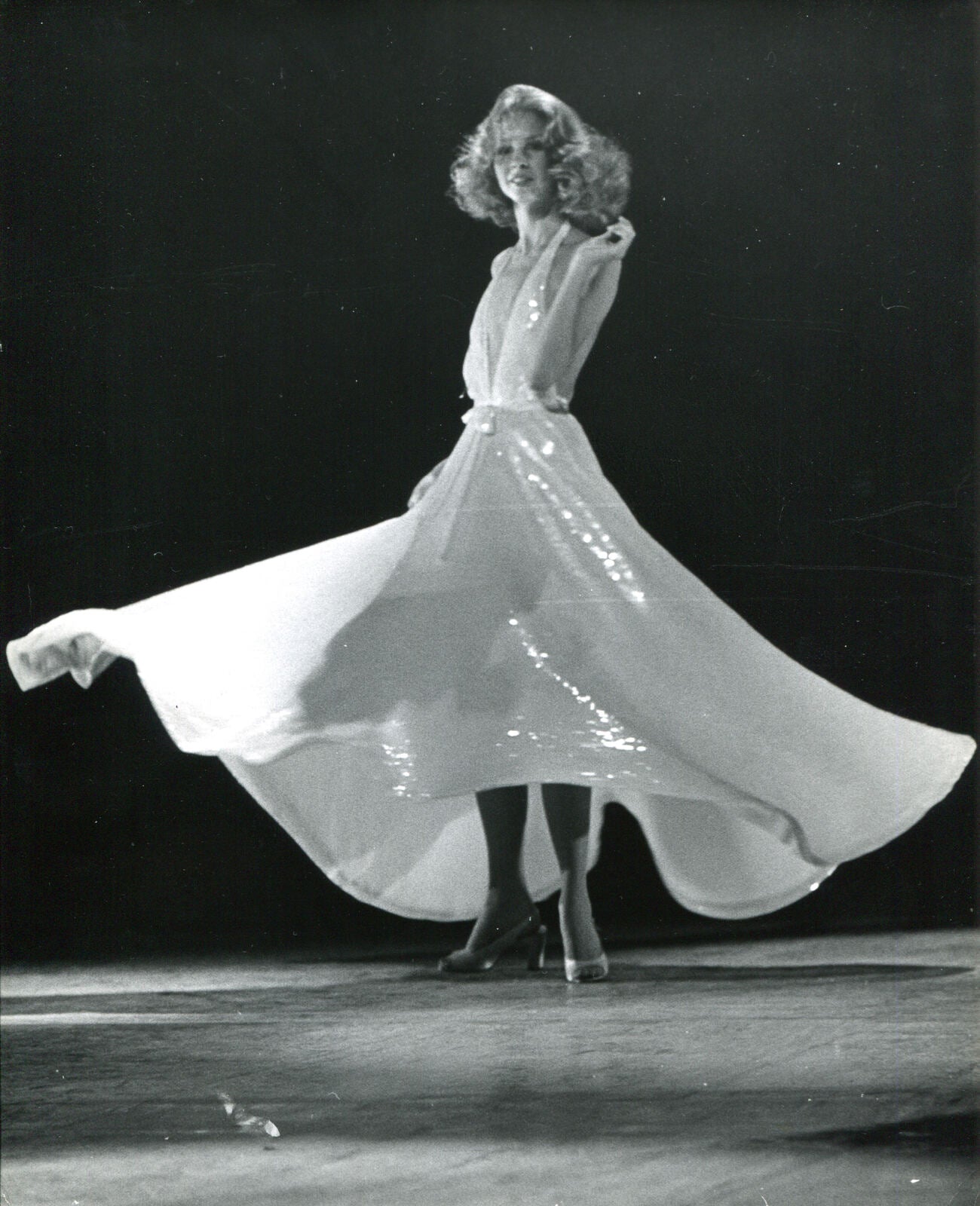
And then Oscar de la Renta brought it home — a finale of slinky, sensual silks that enamoured the audience.
The difference between the Americans and the French couldn’t have been more striking. They were couture. We were cool. They floated. We moved.
And the audience felt it.
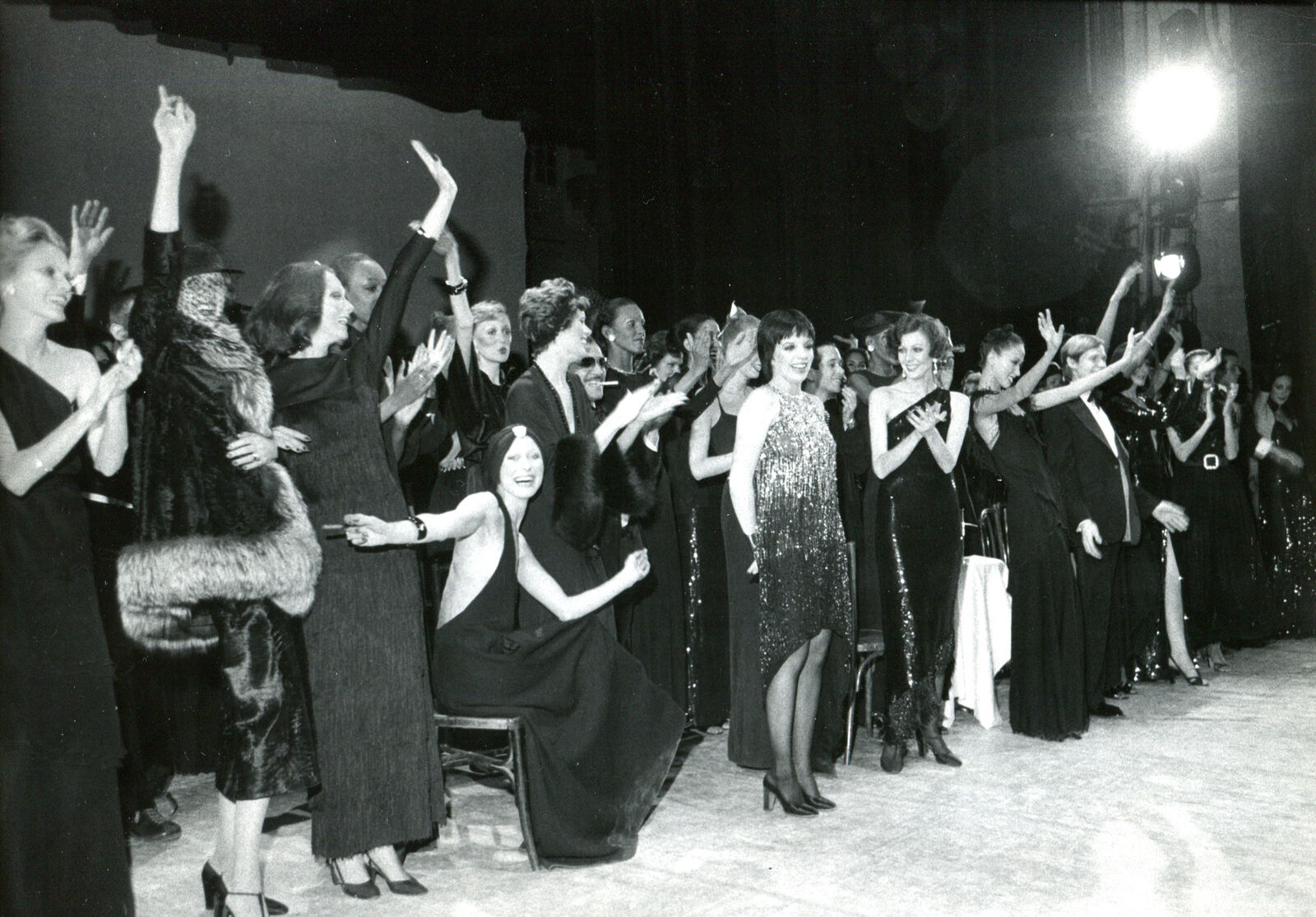
By the end of the night, it was clear — the Americans didn’t just hold their own. We owned the room. People stood. Cheered. Gasped. Versailles had never seen anything like it.
Was it chaotic? Yes. Egos clashed. Rehearsals were messy. Marie-Hélène didn’t even want press at the show — the only one allowed to photograph it was the late, legendary Bill Cunningham. Thank God.
All the designers from that night are gone now... except Stephen Burrows. But the energy they unleashed? That wild, unexpected, utterly American jolt?
That still lingers.
Versailles shook — and fashion was never the same again.